What Are Dental Veneers?
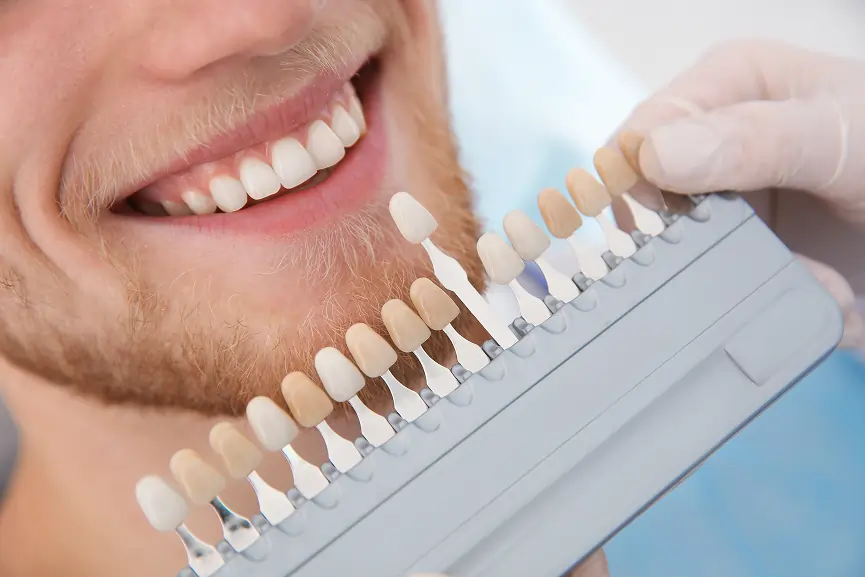
Dental veneers are thin custom shells placed over the front surface of teeth.
They are used to improve the appearance of selected front teeth. Veneers can help change tooth colour, shape, size, length, and overall smile balance.
Veneers are cosmetic restorations. They are not used to treat every dental problem. Before recommending veneers, your dentist needs to check tooth health, gum health, bite pressure, enamel, and whether the teeth are strong enough for this treatment.
What Can Veneers Help Improve?
Veneers may be recommended for cosmetic concerns affecting the visible front teeth.
Veneers may help with:
- ✓Discoloured teeth that do not respond well to whitening
- ✓Uneven tooth shape
- ✓Small gaps between teeth
- ✓Worn front tooth edges
- ✓Slightly chipped front teeth
- ✓Teeth that look too small
- ✓Mild smile asymmetry
- ✓Surface defects in enamel
- ✓Selected cosmetic colour concerns
- ✓Smile shape improvement
Veneers are not the right solution for active cavities, gum disease, severe bite problems, heavy grinding, or teeth that need stronger structural repair.
Who May Be a Good Candidate for Veneers?
Veneers may be suitable for patients with healthy teeth and gums who want cosmetic improvement on visible front teeth.
You may be a veneer candidate if:
- ✓Your front teeth are healthy enough for cosmetic treatment
- ✓You want to improve tooth shape or colour
- ✓You have minor chips or worn edges
- ✓You have small spaces between teeth
- ✓Your gums are healthy
- ✓Your bite does not place heavy pressure on the veneer area
- ✓You understand veneers are cosmetic and require long-term care
- ✓You are looking for a planned smile improvement, not emergency repair
Your dentist will explain whether veneers are realistic for your teeth after an exam.
When Veneers May Not Be Suitable
Veneers have limits. They are cosmetic restorations and may not work well if the tooth has bigger health or strength problems.
Veneers may not be recommended if you have:
- ✓Active tooth decay
- ✓Gum disease
- ✓Severe tooth wear
- ✓Heavy grinding or clenching
- ✓Large broken areas
- ✓Weak or heavily filled teeth
- ✓Major bite problems
- ✓Not enough enamel for bonding
- ✓Severe tooth crowding or rotation
- ✓Unrealistic colour or shape expectations
In these cases, your dentist may recommend treatment such as fillings, crowns, gum care, orthodontic assessment, whitening, bonding, or night guard therapy first.
Types of Veneers
Porcelain Veneers
Porcelain veneers are custom-made restorations created outside the mouth and bonded to the front of the teeth.
They are often used when a patient wants a longer-lasting cosmetic change to tooth shape, size, colour, or symmetry.
Composite Veneers
Composite veneers use tooth-coloured resin shaped directly on the tooth.
They may be used for smaller cosmetic changes, but they can stain or chip more easily than porcelain in some cases.
Your dentist will explain which option fits your teeth, bite, goals, and budget.
Veneers for Discoloured Teeth
Veneers may help when tooth colour does not improve enough with whitening or when one tooth is darker than the others.
Whitening changes the shade of natural teeth. Veneers cover the front surface of selected teeth.
If you are considering both whitening and veneers, whitening is often planned first so the veneer shade can be matched to the final tooth colour.
Veneers for Worn or Uneven Teeth
Veneers may help improve the appearance of front teeth that look worn, short, uneven, or slightly chipped.
The dentist checks why the teeth are worn before recommending veneers. If grinding or clenching caused the wear, a night guard may be recommended to protect the veneers and natural teeth.
Veneers for Small Gaps
Veneers may help close small spaces between front teeth by changing tooth width and shape.
They are not the same as orthodontic treatment. If spacing is larger or related to tooth position, your dentist may discuss other options before veneers.
What to Expect During Veneer Treatment
Cosmetic Consultation
Your dentist discusses your smile goals, tooth colour, shape, size, symmetry, and what you want to change.
Oral Health Assessment
The dentist checks your teeth, gums, bite, enamel, existing dental work, and any signs of grinding or clenching.
Treatment Planning
Your dentist explains whether veneers are suitable, how many teeth may be involved, what result is realistic, and what costs may apply.
Tooth Preparation
For porcelain veneers, a small amount of enamel may need to be prepared so the veneer can fit naturally.
Impression or Digital Scan
An impression or scan may be taken so the veneer can be designed to fit your tooth and smile.
Temporary Veneers When Needed
Temporary veneers may be placed in some cases while the final veneers are being made.
Final Veneer Placement
The final veneers are checked for fit, shade, shape, bite, and comfort before being bonded.
Do Veneers Damage Teeth?
Veneers may require some enamel preparation, depending on the case.
Because enamel does not grow back, veneers should be planned carefully. This is why a dental exam and proper cosmetic consultation matter before treatment.
Your dentist will explain how much preparation may be needed and whether a more conservative option, such as bonding or whitening, may be better.
Veneers vs Dental Bonding
Dental bonding is usually used for smaller chips, minor gaps, uneven edges, and small cosmetic repairs.
Veneers cover more of the front tooth surface and may be used for broader changes in colour, size, shape, and smile symmetry.
Bonding is often more conservative and lower cost, but veneers may provide a more planned cosmetic result for selected cases.
Veneers vs Teeth Whitening
Teeth whitening brightens natural teeth but does not change tooth shape, size, or spacing.
Veneers can change colour, shape, size, and visible tooth proportions.
If your main concern is yellow or stained natural teeth, whitening may be considered first. If your concern includes shape, worn edges, small gaps, or deeper discoloration, veneers may be discussed.
How to Care for Veneers
Veneers need daily care and regular dental monitoring.
To help protect veneers:
- ✓Brush twice daily
- ✓Floss daily
- ✓Keep regular dental exams
- ✓Book routine dental cleanings
- ✓Avoid biting nails, pens, or hard objects
- ✓Do not use teeth to open packaging
- ✓Limit heavy staining habits
- ✓Wear a night guard if you grind or clench and your dentist recommends one
- ✓Call if a veneer feels loose, rough, chipped, or uncomfortable
Veneers can last for years, but they still need care and maintenance.
How Long Do Veneers Last?
Veneer lifespan depends on material, bite pressure, oral hygiene, grinding or clenching, diet, tooth condition, and regular dental care.
Porcelain veneers often last longer than composite veneers, but no veneer is permanent. Veneers may eventually need repair or replacement.
Your dentist will explain expected maintenance before treatment begins.
Cost and Coverage Information
The cost of veneers depends on the number of teeth, material, case complexity, planning, preparation, and your cosmetic goals.
Veneers are usually considered cosmetic, so they may not be covered by insurance or CDCP. Coverage depends on your specific plan rules and the reason for treatment.
Our team can review estimated costs before treatment begins.
Related Services
Good to know
Frequently Asked Questions
What are dental veneers?+
Dental veneers are thin custom coverings placed on the front surface of teeth to improve colour, shape, size, and smile appearance.
What are veneers used for?+
Veneers may be used for discoloured teeth, worn edges, small gaps, uneven teeth, minor chips, and selected smile symmetry concerns.
Are veneers permanent?+
Veneers are a long-term cosmetic treatment. Some enamel may be prepared, so the decision should be made carefully after a dental exam.
Do veneers whiten teeth?+
Veneers do not whiten natural teeth. They cover the front surface of selected teeth with a chosen shade.
Are veneers better than bonding?+
It depends on the concern. Bonding may be better for small repairs. Veneers may be better for broader cosmetic changes involving colour, shape, size, or symmetry.
Can veneers close gaps?+
Veneers may close small gaps between front teeth. Larger spaces or bite-related concerns may need another treatment plan.
Can I get veneers if I grind my teeth?+
Heavy grinding can damage veneers. Your dentist may recommend a night guard or another plan before veneers.
How long do veneers last?+
Veneers can last for years, but lifespan depends on material, oral hygiene, bite pressure, grinding, diet, and regular dental care.
Are veneers covered by CDCP?+
Veneers are usually cosmetic and may not be covered by CDCP. Coverage depends on plan rules and treatment reason.
Do you accept new patients for veneers?+
Yes. Grimsby Lake Dental welcomes new patients who want to ask about veneers and cosmetic smile options.
Where is Grimsby Lake Dental located?+
Grimsby Lake Dental is located at 414 Winston Rd, Grimsby, ON L3M 0H2, near Lake Ontario and the QEW.
Book a Veneers Consultation in Grimsby
Want to improve tooth colour, shape, worn edges, small gaps, or smile symmetry? Book a veneers consultation at Grimsby Lake Dental.