What Is TMD?
TMD means temporomandibular disorder. It involves the jaw joints, jaw muscles, or the way the jaw moves.
The temporomandibular joints, often called TMJ, connect the lower jaw to the skull. These joints help you open, close, chew, speak, and move your jaw.
TMD symptoms can be linked to jaw muscle tension, grinding, clenching, bite pressure, jaw habits, injury, stress, arthritis, or other medical factors. Because causes can vary, treatment should begin with an assessment.
Signs You May Need TMD Assessment
Common TMD-related symptoms include:
- ✓Jaw pain
- ✓Jaw clicking or popping
- ✓Jaw tightness
- ✓Difficulty opening wide
- ✓Pain while chewing
- ✓Morning jaw soreness
- ✓Headaches linked with clenching
- ✓Tooth wear from grinding
- ✓Ear-area discomfort
- ✓Facial muscle tenderness
- ✓Bite feels uneven
- ✓Jaw locking or catching
These symptoms do not always mean one diagnosis. A dental assessment helps identify possible contributing factors.
TMD, Grinding, and Clenching
Grinding and clenching can place heavy pressure on the teeth, jaw joints, and jaw muscles.
Some patients grind during sleep and do not realize it. Signs may include worn teeth, chipped teeth, sore jaw muscles, cracked fillings, or morning headaches.
If grinding or clenching is contributing to symptoms, your dentist may recommend a custom appliance such as a night guard or bite splint.
What Happens During a TMD Assessment?
Symptom Review
The dentist asks about jaw pain, clicking, tightness, headaches, chewing discomfort, grinding, clenching, and when symptoms occur.
Jaw Movement Check
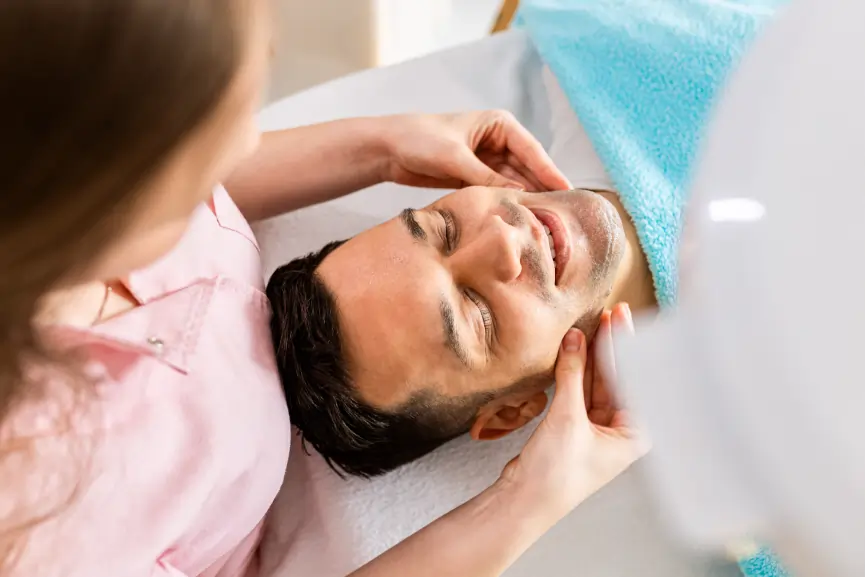
Your jaw movement may be checked for opening range, tenderness, clicking, or locking.
Bite and Tooth Wear Check
The dentist checks bite pressure, tooth wear, cracked teeth, chipped teeth, and signs of grinding.
Muscle and Joint Review
Jaw muscles and TMJ areas may be checked for tenderness or discomfort.
Appliance Discussion
If suitable, your dentist may discuss a custom appliance to help reduce pressure on the teeth and jaw.
Referral When Needed
Some TMD cases need medical, physiotherapy, specialist, or imaging referral depending on symptoms.
TMD Therapy Options
TMD care depends on the cause and severity.
Options may include:
- ✓Custom oral appliance
- ✓Night guard or bite splint
- ✓Bite pressure review
- ✓Jaw habit guidance
- ✓Avoiding hard chewing during flare-ups
- ✓Warm compress guidance when suitable
- ✓Stress or clenching awareness
- ✓Dental treatment for broken or worn teeth
- ✓Referral for physiotherapy or specialist care when needed
TMD therapy should not be presented as a guaranteed cure. The goal is to reduce contributing factors and manage symptoms appropriately.
When TMD Needs Referral or Urgent Attention
Referral may be needed if symptoms are severe, persistent, worsening, or not clearly dental.
Further assessment may be needed for:
- ✓Locked jaw
- ✓Severe limitation opening the mouth
- ✓Significant injury
- ✓Persistent ear-area pain
- ✓Nerve symptoms
- ✓Swelling
- ✓Symptoms that do not improve
- ✓Complex jaw joint concerns
If symptoms are severe or linked with injury, seek appropriate urgent care.
Cost and Coverage Information
The cost of TMD therapy depends on the assessment, records, appliance type, fit checks, follow-up visits, and whether referral is needed.
Private insurance coverage varies. CDCP coverage for TMD appliances or therapy may be limited and depends on eligibility, treatment reason, and plan rules.
Bring your benefit information so our team can review estimated costs before treatment begins.
Related Services
Good to know
Frequently Asked Questions
What is TMD?+
TMD refers to problems involving the jaw joints, jaw muscles, or jaw movement.
What is TMJ?+
TMJ means temporomandibular joint. These are the joints that connect the lower jaw to the skull.
What are common TMD symptoms?+
Symptoms may include jaw pain, clicking, tightness, headaches, pain while chewing, limited opening, and jaw soreness.
Can grinding cause TMD symptoms?+
Grinding and clenching can place pressure on the jaw joints, muscles, and teeth, which may contribute to symptoms.
Can a mouth guard help TMD?+
A custom appliance may help selected patients by reducing pressure, but TMD can have several causes. Assessment is needed first.
Is TMD therapy a cure?+
Not always. TMD therapy focuses on identifying contributing factors and helping manage symptoms. Some patients may need referral.
Does insurance or CDCP cover TMD therapy?+
Coverage depends on your plan, eligibility, treatment reason, and plan rules.
Book TMD Therapy Assessment in Grimsby
Have jaw pain, clicking, tightness, clenching, grinding, or bite pressure? Book a TMD assessment at Grimsby Lake Dental.