What Is Children’s Dentistry?
Children’s dentistry focuses on dental care for babies, toddlers, children, and teens.
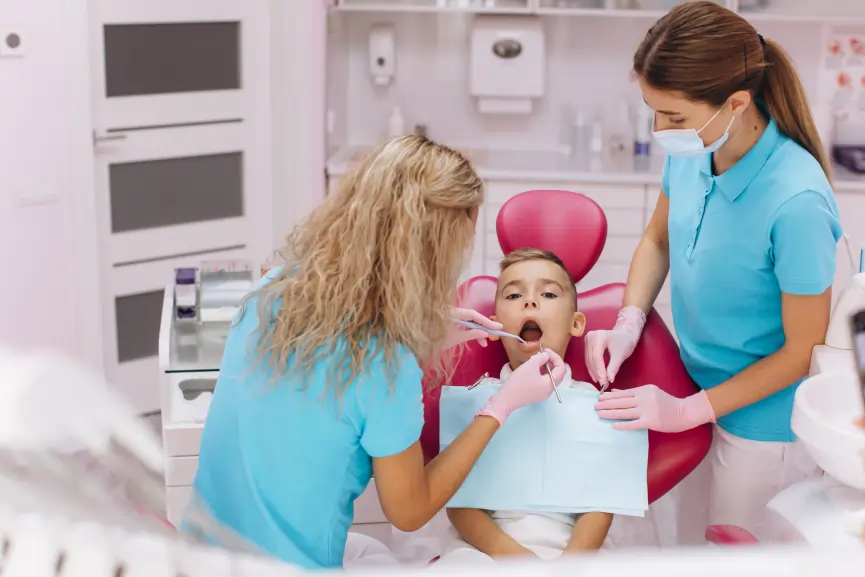
The goal is to protect growing teeth, identify problems early, prevent cavities, and help children feel more comfortable with dental visits. Children’s dental care may include exams, cleanings, fluoride, sealants, cavity checks, X-rays when needed, oral hygiene coaching, and parent guidance.
A child’s dental visit is not only about fixing teeth. It is also about building trust, reducing fear, and teaching habits that support long-term oral health.
When Should a Child See a Dentist?
Children should start dental visits early so the dentist can check tooth development and help parents understand home care.
You should book a dental visit if your child has teeth coming in, has never had a dental exam, complains of pain, has visible spots on teeth, has bleeding gums, or has difficulty brushing.
Regular visits also help children become familiar with the dental clinic before there is a painful problem.
Children’s Dental Services We Provide
Children’s Dental Exams
A child dental exam checks the teeth, gums, bite, jaw development, oral hygiene, and any signs of cavities or dental concerns.
Kids Dental Cleanings
A dental cleaning removes plaque and buildup from the teeth. The visit also gives the dental team a chance to show brushing and flossing tips in a child-friendly way.
Fluoride Treatment
Fluoride may be recommended to help strengthen enamel and reduce cavity risk, especially for children who are more likely to develop cavities.
Dental Sealants
Sealants are thin protective coatings placed on the chewing surfaces of back teeth to help protect deep grooves from food and bacteria.
Cavity Checks
Children can develop cavities quickly, especially in back teeth or between teeth. A dental exam helps detect cavities early.
Tooth-Coloured Fillings
If a child has a cavity, a filling may be recommended to repair the tooth and stop decay from spreading further.
Oral Hygiene Coaching
We help children and parents understand brushing, flossing, snack habits, and daily routines that reduce cavity risk.
Why Children’s Dental Visits Matter
Baby teeth are temporary, but they are still important.
Baby teeth help children chew, speak, smile, and hold space for adult teeth. If baby teeth develop cavities or infection, it can cause pain, affect eating, and create problems before the adult teeth come in.
Children’s dental visits help monitor:
- ✓Tooth development
- ✓Cavity risk
- ✓Gum health
- ✓Brushing habits
- ✓Bite development
- ✓Jaw growth
- ✓Early tooth loss
- ✓Thumb sucking or oral habits
- ✓Spacing and crowding concerns
- ✓Adult teeth eruption
Early care makes treatment simpler when problems are found.
Signs Your Child Should See a Dentist
Book a dental visit if you notice any change that does not seem normal.
Common signs include:
- ✓Tooth pain
- ✓Sensitivity to cold or sweets
- ✓Visible holes or dark spots on teeth
- ✓White chalky spots near the gumline
- ✓Swollen or bleeding gums
- ✓Bad breath that does not improve
- ✓Pain when chewing
- ✓A broken or chipped tooth
- ✓Loose baby tooth causing discomfort
- ✓Adult tooth coming in before baby tooth falls out
- ✓Mouth injury from sports or a fall
- ✓Child avoiding food on one side
Do not wait until pain becomes severe. Children may not always explain dental discomfort clearly.
What Happens During a Child’s Dental Visit?
Friendly Introduction
We help your child get familiar with the dental chair, tools, and team at a comfortable pace.
Tooth and Gum Check
The dentist checks the teeth, gums, bite, and any visible concerns.
Cleaning When Appropriate
A cleaning may be done to remove plaque and buildup from the teeth.
X-Rays When Needed
Dental X-rays may be recommended only when needed to check areas not visible during the exam, such as between teeth or below the gumline.
Cavity and Development Review
The dentist checks for cavities, tooth eruption, spacing, and bite development.
Parent Guidance
We explain findings clearly and give practical advice for brushing, flossing, snacks, fluoride, sealants, or treatment if needed.
How We Help Nervous Children
Some children feel nervous before a dental visit. That is normal.
Our approach is to keep the visit calm, simple, and predictable. We explain steps in child-friendly language, avoid rushing when possible, and help the child feel included.
Helpful steps for nervous children:
- ✓Book a routine visit before pain starts
- ✓Keep language positive and simple
- ✓Avoid scary words before the appointment
- ✓Let the child bring comfort items if needed
- ✓Tell us if your child has had a difficult dental experience before
- ✓Ask questions so we can adjust the visit where possible
The goal is to build trust over time, not force a child through an overwhelming experience.
Fluoride for Children
Fluoride helps strengthen enamel and can reduce cavity risk.
Your dentist may recommend fluoride based on your child’s age, cavity history, brushing habits, diet, enamel strength, and overall risk level.
Fluoride treatment is quick and commonly done after a dental cleaning or exam when appropriate.
Dental Sealants for Children
Back teeth have grooves where food and bacteria can collect. Children may have difficulty cleaning these areas well.
Dental sealants cover the chewing surfaces of back teeth to help protect them from cavities. Sealants are often recommended for permanent molars after they come in.
Sealants do not replace brushing, flossing, or regular dental visits. They add extra protection for cavity-prone grooves.
Cavities in Children
Children can develop cavities from plaque, frequent snacks, sugary drinks, poor brushing, deep tooth grooves, or difficulty cleaning between teeth.
A cavity may not hurt at first. That is why routine exams matter.
Cavity warning signs can include:
- ✓Sensitivity
- ✓Tooth pain
- ✓Food trapping
- ✓Dark spots
- ✓White chalky spots
- ✓Pain when chewing
- ✓Bad breath
- ✓Gum swelling near a tooth
If a cavity is found early, treatment may be simpler.
Children’s Dental Emergencies
Children can have dental emergencies from falls, sports, tooth pain, swelling, or broken teeth.
Call the clinic if your child has:
- ✓Tooth pain
- ✓Facial or gum swelling
- ✓A broken or chipped tooth
- ✓A knocked-out adult tooth
- ✓A dental injury
- ✓Bleeding after a fall
- ✓Pain when biting
- ✓A lost filling
- ✓A loose tooth after injury
If your child has trouble breathing, trouble swallowing, severe facial swelling, uncontrolled bleeding, or serious injury, seek urgent medical care immediately.
Home Care Tips for Children’s Teeth
Daily habits make a major difference in children’s oral health.
Parents can help by:
- ✓Brushing twice daily
- ✓Helping young children brush properly
- ✓Using fluoride toothpaste as advised for age
- ✓Cleaning between teeth when they touch
- ✓Limiting frequent sugary snacks
- ✓Limiting juice and sweet drinks
- ✓Encouraging water between meals
- ✓Booking routine dental exams
- ✓Asking about fluoride and sealants
- ✓Using a mouthguard for sports when appropriate
Children usually need help brushing until they have the coordination to clean all surfaces properly.
Cost and CDCP Information
The cost of children’s dentistry depends on the visit type, cleaning, X-rays if needed, fluoride, sealants, fillings, or other treatment required.
Grimsby Lake Dental accepts CDCP for eligible patients and eligible dental services. CDCP coverage depends on eligibility, treatment type, age, frequency limits, co-payments, preauthorization, and plan rules.
If your child has CDCP, private insurance, or another dental benefit, bring the coverage information to your visit so our team can help review estimated costs before care begins.
Related Services
Good to know
Frequently Asked Questions
What is children’s dentistry?+
Children’s dentistry is dental care for babies, toddlers, children, and teens. It includes exams, cleanings, cavity checks, fluoride, sealants, oral hygiene guidance, and treatment when needed.
When should my child first see a dentist?+
A child should see a dentist early so tooth development, gums, brushing habits, and cavity risk can be checked. If your child has teeth and has not had a dental visit, it is reasonable to book an exam.
Are baby teeth important?+
Yes. Baby teeth help children chew, speak, smile, and hold space for adult teeth. Cavities in baby teeth can still cause pain and infection.
How often should children visit the dentist?+
Many children benefit from regular dental exams and cleanings. Your dentist can recommend a schedule based on your child’s cavity risk, age, brushing habits, and oral health.
What happens during a child’s dental exam?+
The dentist checks teeth, gums, bite, development, cavities, oral hygiene, and any parent concerns. Cleaning, fluoride, sealants, or X-rays may be recommended when needed.
Are dental X-rays safe for children?+
Dental X-rays are recommended only when needed. The dentist considers your child’s age, symptoms, cavity risk, and what cannot be seen during the visual exam.
What are dental sealants for kids?+
Dental sealants are thin protective coatings placed on back teeth to help protect deep grooves from food and bacteria.
Does my child need fluoride?+
Fluoride may be recommended based on cavity risk, enamel strength, age, brushing habits, and diet. Your dentist can explain whether it is useful for your child.
What should I do if my child has tooth pain?+
Call the clinic and explain the symptoms. Tooth pain may be caused by cavities, injury, infection concerns, loose teeth, or gum problems.
Does CDCP cover children’s dental care?+
CDCP may help cover eligible dental services for eligible children. Coverage depends on eligibility, treatment type, age, frequency limits, co-payments, preauthorization, and plan rules.
Do you accept new child patients?+
Yes. Grimsby Lake Dental welcomes new children and families.
Where is Grimsby Lake Dental located?+
Grimsby Lake Dental is located at 414 Winston Rd, Grimsby, ON L3M 0H2, near Lake Ontario and the QEW.
Book a Children’s Dentist in Grimsby
Need a dental exam, cleaning, fluoride, sealants, or cavity check for your child? Book a children’s dental visit at Grimsby Lake Dental.