What Is Teeth Whitening?
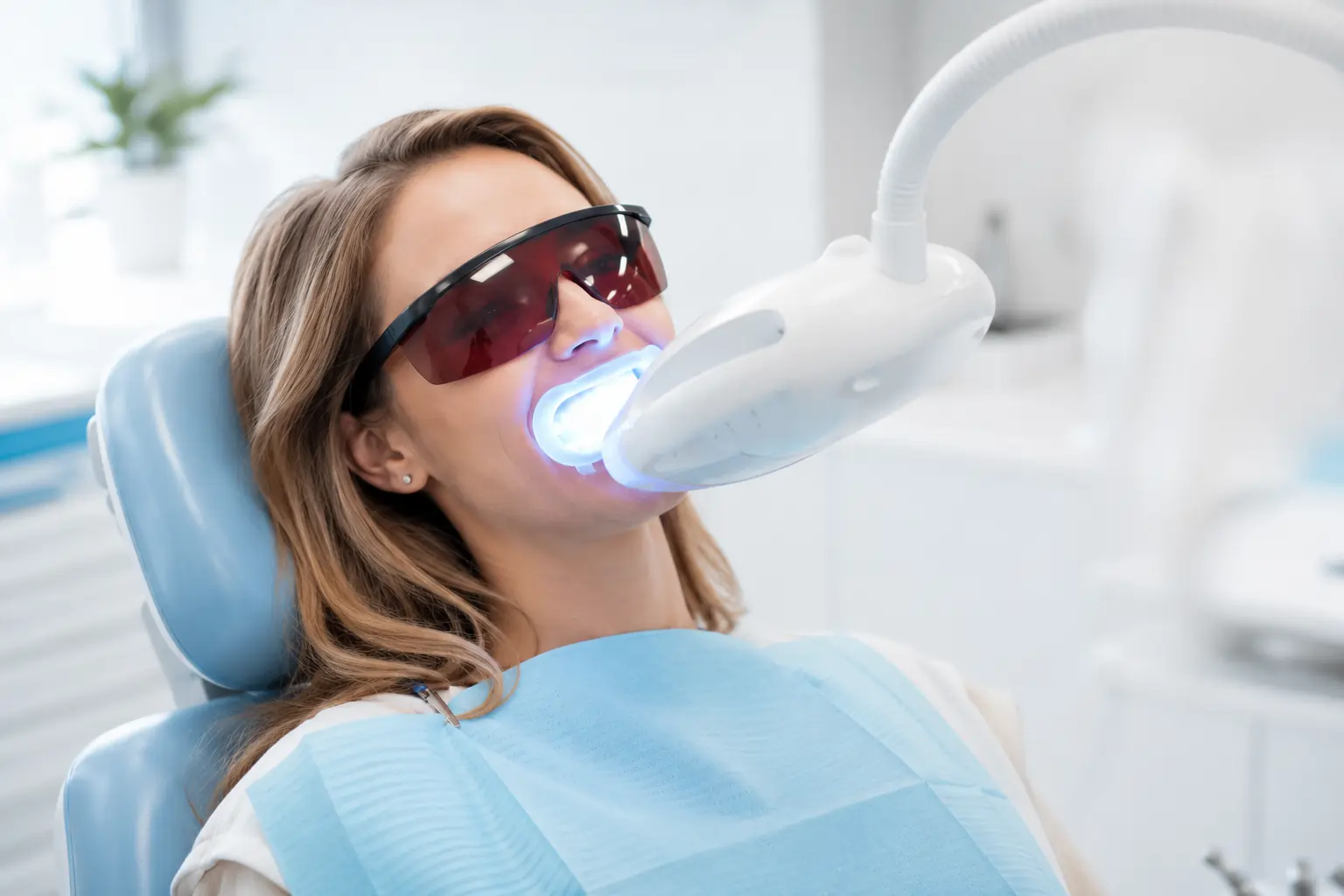
Teeth whitening is a cosmetic dental treatment that helps lighten the colour of natural teeth.
Whitening products work on stains within the natural tooth surface. Professional whitening is different from routine dental cleaning. A cleaning removes plaque, tartar, and surface buildup. Whitening is used to brighten the shade of natural teeth.
Teeth whitening does not work the same way for every patient. Results depend on the type of stain, natural tooth colour, enamel condition, whitening method, diet, habits, and existing dental work.
What Types of Stains Can Teeth Whitening Help With?
Teeth can look darker or dull because of food, drinks, age, tobacco exposure, enamel changes, or older dental work.
Teeth whitening may help with stains from:
- ✓Coffee
- ✓Tea
- ✓Red wine
- ✓Dark sauces
- ✓Some foods and drinks
- ✓Smoking or tobacco exposure
- ✓Age-related tooth darkening
- ✓General dullness of natural teeth
Whitening works best on natural teeth. It may not correct every type of discoloration, especially deeper internal stains or colour changes from injury, medication, or existing restorations.
Who Is a Good Candidate for Teeth Whitening?
Teeth whitening may be suitable for patients with healthy teeth and gums who want to brighten their natural tooth colour.
Whitening may be right for you if:
- ✓Your teeth look yellow, dull, or stained
- ✓You want a brighter smile before an event
- ✓You have stains from coffee, tea, wine, or tobacco
- ✓Your gums are healthy enough for whitening
- ✓You do not have untreated cavities or active gum issues
- ✓You understand that crowns, veneers, bridges, and fillings will not whiten
A dental check is helpful before whitening because sensitivity, cavities, gum problems, or visible dental work can affect the whitening plan.
When Teeth Whitening May Not Be Suitable
Teeth whitening is not the best option for every smile.
Whitening may not be recommended if you have:
- ✓Untreated cavities
- ✓Active gum inflammation or gum disease
- ✓Severe tooth sensitivity
- ✓Exposed root surfaces
- ✓Cracked teeth
- ✓Leaking fillings
- ✓Many visible crowns, veneers, bridges, or fillings
- ✓Deep internal tooth discoloration
- ✓Staining caused by trauma or certain medications
Your dentist can explain whether whitening is suitable or whether another cosmetic option may work better.
Does Teeth Whitening Work on Crowns, Veneers, Bridges, or Fillings?
No. Whitening products lighten natural tooth structure, but they do not whiten crowns, veneers, bridges, or tooth-coloured fillings.
This matters if you have visible dental work near the front of your smile. After whitening, existing restorations may look darker compared to the newly whitened natural teeth.
If you have crowns, veneers, or fillings in visible areas, your dentist can help you plan the timing of whitening and any cosmetic replacement options if needed.
Professional Whitening vs Store-Bought Whitening
Store-bought whitening products may help some surface stains, but they are not customized to your mouth and may not be suitable for every patient.
Professional whitening includes dentist guidance, assessment of your teeth and gums, and advice based on your stain type and oral health.
Dentist-guided whitening may help by:
- ✓Checking if whitening is safe for your teeth and gums
- ✓Identifying cavities, cracks, or sensitivity concerns first
- ✓Explaining realistic whitening expectations
- ✓Helping reduce avoidable irritation
- ✓Planning around visible crowns, veneers, or fillings
- ✓Giving clearer guidance on how to maintain results
If you have sensitivity, gum recession, dental work, or deeper discoloration, a dental consultation is the safer starting point.
What to Expect Before Teeth Whitening
Smile and Stain Assessment
Your dentist checks your natural tooth shade, stain type, gum health, and existing dental work.
Oral Health Check
Cavities, gum inflammation, cracks, exposed roots, or sensitivity concerns should be reviewed before whitening.
Whitening Recommendation
Your dentist explains whether whitening is suitable and what type of result may be realistic.
Sensitivity Discussion
Some patients may experience temporary sensitivity. Your dental team can explain how to reduce discomfort and when whitening should be delayed.
Maintenance Guidance
You may receive advice about foods, drinks, tobacco exposure, and daily care that can affect whitening results.
Can Teeth Whitening Cause Sensitivity?
Yes, some patients may feel temporary tooth sensitivity during or after whitening.
Sensitivity can happen because whitening materials interact with the tooth surface. It is usually temporary, but patients with gum recession, exposed roots, cracks, cavities, or existing sensitivity may be more likely to notice discomfort.
Tell your dentist if your teeth are already sensitive before whitening. Your whitening plan may need to be adjusted.
How Long Do Teeth Whitening Results Last?
Whitening results vary. The shade may last longer for patients who limit staining foods and drinks and keep up with daily oral care.
Results may be affected by:
- ✓Coffee and tea
- ✓Red wine
- ✓Tobacco exposure
- ✓Dark sauces or staining foods
- ✓Oral hygiene habits
- ✓Natural tooth colour
- ✓Enamel condition
- ✓Age-related changes
- ✓Frequency of dental cleanings
Teeth can stain again over time. Your dentist can explain maintenance options if you want to keep your smile brighter.
Teeth Whitening vs Dental Cleaning
Dental cleaning and teeth whitening are different services.
A dental cleaning removes plaque, tartar, and surface buildup from the teeth and gumline.
Teeth whitening lightens the colour of natural teeth to improve brightness.
If your teeth look dull because of buildup or surface staining, a cleaning may be recommended before whitening. This helps your dentist see the true tooth shade and plan whitening more accurately.
Cost and Coverage Information
The cost of teeth whitening depends on the whitening method, appointment type, and your cosmetic goals.
Teeth whitening is usually considered a cosmetic service, so it may not be covered by insurance or CDCP. Coverage depends on your plan rules and the reason for treatment.
Our team can review whitening costs before treatment begins.
Related Services
Good to know
Frequently Asked Questions
What is teeth whitening?+
Teeth whitening is a cosmetic dental treatment used to lighten the colour of natural teeth and reduce the appearance of stains or dullness.
Is professional teeth whitening safe?+
Professional whitening is commonly used when recommended by a dentist for suitable patients. A dental check helps identify cavities, gum issues, cracks, or sensitivity before treatment.
Does teeth whitening work on crowns or fillings?+
No. Whitening products do not whiten crowns, veneers, bridges, or tooth-coloured fillings. They only whiten natural tooth structure.
Can whitening help coffee or tea stains?+
Whitening may help brighten natural teeth affected by coffee, tea, wine, tobacco, and everyday staining. Results vary by stain type and tooth condition.
Will teeth whitening make my teeth sensitive?+
Some patients experience temporary sensitivity during or after whitening. Tell your dentist if your teeth are already sensitive.
Is teeth whitening the same as dental cleaning?+
No. Cleaning removes plaque, tartar, and surface buildup. Whitening changes the shade of natural teeth.
How long does teeth whitening last?+
Results vary depending on diet, oral hygiene, smoking or tobacco exposure, natural tooth colour, and maintenance habits.
Is teeth whitening covered by CDCP?+
Teeth whitening is usually considered cosmetic and may not be covered by CDCP. Coverage depends on plan rules and the reason for treatment.
Do you accept new patients for teeth whitening?+
Yes. Grimsby Lake Dental welcomes new patients who want to ask about professional teeth whitening.
Where is Grimsby Lake Dental located?+
Grimsby Lake Dental is located at 414 Winston Rd, Grimsby, ON L3M 0H2, near Lake Ontario and the QEW.
Book Teeth Whitening in Grimsby
Want a brighter smile? Book a teeth whitening consultation at Grimsby Lake Dental and ask whether professional whitening is right for your teeth.