What Is a Dental Crown?
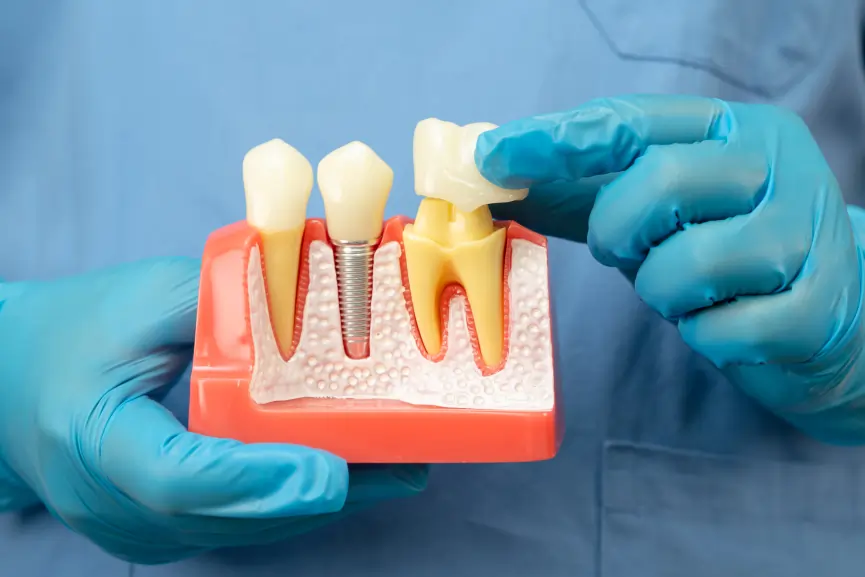
A dental crown is a custom-made cover placed over a tooth to restore its shape, strength, appearance, and function.
Crowns are often recommended when a tooth has lost too much structure for a simple filling. They can help protect teeth that are cracked, worn, heavily restored, or weakened after deep decay or root canal therapy.
A crown does not replace the tooth root. It covers and protects the visible part of the natural tooth above the gumline.
When May You Need a Dental Crown?
A crown may be recommended when a tooth needs stronger protection or rebuilding.
Dental crowns may be used for:
- ✓Cracked teeth
- ✓Broken teeth
- ✓Heavily filled teeth
- ✓Worn-down teeth
- ✓Teeth with large cavities
- ✓Teeth after root canal therapy
- ✓Teeth with weak or missing structure
- ✓Older crowns that no longer fit well
- ✓Teeth that need improved shape or function
Not every damaged tooth needs a crown. Your dentist will check how much healthy tooth structure remains before recommending treatment.
Signs a Tooth May Need a Crown
Some patients know they have a broken or weak tooth. Others only notice symptoms during chewing or brushing.
A crown assessment may be needed if you notice:
- ✓Pain when biting
- ✓A cracked or broken tooth
- ✓A large old filling
- ✓A tooth that feels weak
- ✓A rough or sharp edge
- ✓Repeated filling repairs on the same tooth
- ✓Sensitivity in a heavily filled tooth
- ✓A crown that feels loose or damaged
- ✓Food trapping around an old crown or filling
These signs do not always mean you need a crown, but they should be checked before the tooth worsens.
What to Expect During a Dental Crown Visit
Tooth Assessment
The dentist checks the tooth, surrounding gums, bite, and existing dental work. X-rays may be recommended if the damage is not fully visible.
Treatment Planning
We explain why a crown may be recommended, what options may be available, and what costs may apply before treatment begins.
Tooth Preparation
The tooth is shaped so the crown can fit properly over it. If the tooth is badly damaged, buildup may be needed first.
Crown Impression or Scan
An impression or digital scan may be taken so the crown can be made to fit your tooth and bite.
Temporary Crown
A temporary crown may be placed while the final crown is being made.
Final Crown Placement
At a later visit, the final crown is checked for fit, comfort, bite, and appearance before being secured.
Types of Dental Crowns
The right crown material depends on the tooth location, chewing pressure, appearance goals, and clinical needs.
Crown options may include:
- ✓Tooth-coloured crowns
- ✓Porcelain or ceramic crowns
- ✓Zirconia crowns
- ✓Porcelain-fused-to-metal crowns
- ✓Metal crowns in selected cases
Your dentist will explain which crown type may be suitable for your tooth.
Dental Crowns for Cracked Teeth
Cracked teeth can be difficult because the crack may not always be easy to see. Some cracks cause pain when biting, sensitivity, or discomfort that comes and goes.
A crown may help protect a cracked tooth by covering and supporting the remaining structure. If the crack is deep or the inner tooth is affected, root canal therapy or another treatment may be needed.
A dental exam is needed to understand how serious the crack is.
Dental Crowns After Root Canal Therapy
A tooth may become weaker after deep decay, infection, or root canal treatment, especially if a large amount of structure has been lost.
In many cases, a crown may be recommended after root canal therapy to help protect the tooth during chewing. The dentist will check the tooth condition and explain whether a crown is needed.
Dental Crowns for Worn or Heavily Filled Teeth
Teeth with large fillings, repeated repairs, or heavy wear may become weaker over time.
A crown can help rebuild the outside of the tooth and provide stronger coverage than another filling. This can be useful when the remaining tooth structure is not strong enough to support daily chewing forces.
How to Care for a Dental Crown
A crown protects the tooth, but the tooth and gum around it still need regular care.
To help protect your crown:
- ✓Brush twice daily
- ✓Floss around the crown daily
- ✓Keep up with dental exams
- ✓Book regular dental cleanings
- ✓Avoid chewing very hard objects
- ✓Call if the crown feels loose or high
- ✓Wear a night guard if you grind or clench
- ✓Watch for gum bleeding, bad taste, or food trapping
Crowns can last for years, but they still need monitoring during routine dental exams.
Cost and CDCP Information
The cost of a dental crown depends on the tooth condition, material, preparation needed, X-rays if required, and your dental coverage.
Grimsby Lake Dental accepts CDCP for eligible patients and eligible dental services. CDCP coverage for crowns depends on eligibility, treatment need, preauthorization rules, co-payments, frequency limits, and plan rules.
If you have private insurance, CDCP, or another dental benefit, bring your coverage information to your visit so our team can help review estimated costs before treatment begins.
Related Services
Good to know
Frequently Asked Questions
What is a dental crown?+
A dental crown is a custom cover placed over a tooth to restore its shape, strength, appearance, and function.
When do I need a dental crown?+
A crown may be recommended for a cracked, broken, worn, weakened, heavily filled, or root-canal-treated tooth.
Is a crown better than a filling?+
A filling repairs a smaller area of tooth damage. A crown may be better when the tooth is too weak or damaged for a filling alone.
Do crowns look natural?+
Tooth-coloured crown options can be made to blend with surrounding teeth. The right material depends on tooth location, chewing pressure, and appearance goals.
How long do dental crowns last?+
Crowns can last for years, but lifespan depends on oral hygiene, bite pressure, material, tooth condition, and whether you grind or clench.
Can a crown fix a cracked tooth?+
A crown may help protect some cracked teeth, but the dentist must check how deep the crack is before recommending treatment.
Do I need a crown after a root canal?+
Some teeth need a crown after root canal therapy, especially back teeth or teeth with significant structure loss. Your dentist will explain what is recommended.
Does CDCP cover dental crowns?+
CDCP may help cover crowns in eligible cases, but coverage depends on eligibility, treatment need, preauthorization, co-payments, frequency limits, and plan rules.
Do you accept new patients for dental crowns?+
Yes. Grimsby Lake Dental welcomes new patients who need crown assessment or tooth repair.
Where is Grimsby Lake Dental located?+
Grimsby Lake Dental is located at 414 Winston Rd, Grimsby, ON L3M 0H2, near Lake Ontario and the QEW.
Book Dental Crowns in Grimsby
Need to repair a cracked, broken, worn, or weakened tooth? Book a dental crown assessment at Grimsby Lake Dental.